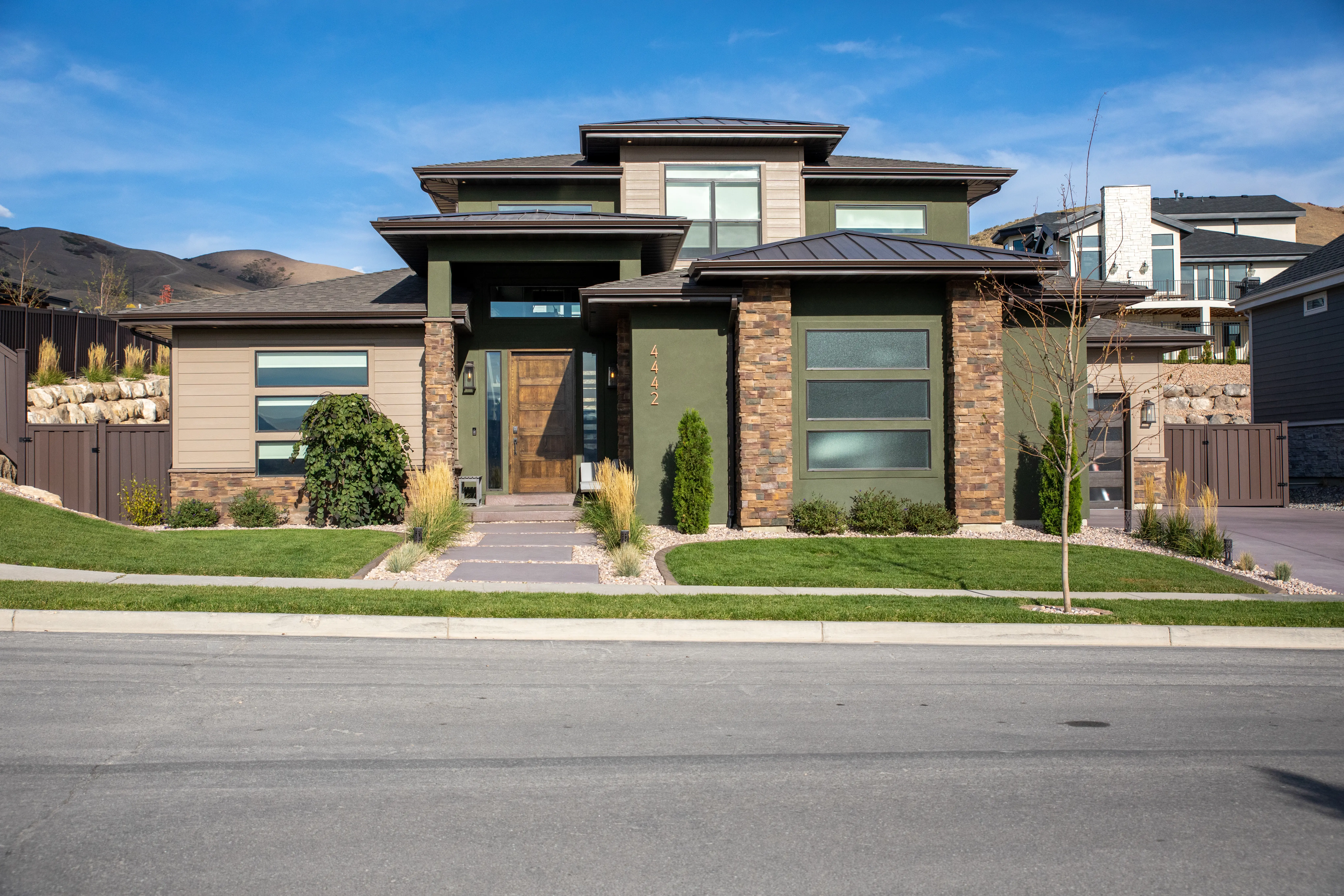
What Are the Best Places to Retire in Provo?
Quick Answer: The best place to retire in Provo is usually the area that balances daily convenience, manageable maintenance, and long-term comfort rather than one universally superior neighborhood. Buyers often compare Provo Bench–Edgemont, North Provo, Southwest Provo, and low-maintenance condo or townhome options based on access, property type, HOA structure, and future upkeep. The right fit depends on your budget, mobility preferences, lifestyle goals, and how much responsibility you want after closing.
Key Takeaways
- Retirement fit depends on lifestyle, not just purchase price.
- Low-maintenance homes can reduce day-to-day ownership demands.
- HOA documents should be reviewed before committing.
- Provo Bench–Edgemont may appeal to buyers comparing established areas.
- North and Southwest Provo can serve different buyer priorities.
- Long-term comfort should guide your neighborhood shortlist.
One of the biggest misconceptions I hear is that retirees should simply look for the quietest or least expensive place in Provo. Headlines and broad market summaries can make that sound simple, but local real estate rarely works that way.
The better question is how a home will live five, ten, or more years after closing.
As a local specialist serving Provo and Utah County, I’ve learned that retirement buyers usually make stronger decisions when they compare maintenance, access, layout, HOA obligations, and resale flexibility before falling in love with a property. Damon Luke is a top producing broker helping buyers and sellers in Provo and Utah County year after year, and that local perspective matters when the decision is both financial and personal.
North Provo vs Central Provo for Retirement Buyers
| Aspect | North Provo | Central Provo |
|---|---|---|
| Lifestyle fit | May appeal to buyers who want established residential areas, access toward canyon recreation, and a setting that can feel more removed from the busiest parts of town. | May appeal to buyers who want closer access to downtown services, local dining, civic amenities, and a more connected daily routine. |
| Property types | Often worth exploring for single-family homes, larger lots in some pockets, and homes where layout and maintenance history should be reviewed carefully. | Often worth exploring for smaller homes, condos, townhomes, and properties where walkability and convenience may carry more weight than yard size. |
| Maintenance considerations | Single-family homes may involve more exterior upkeep, snow removal planning, landscaping, and long-term system maintenance. | Some properties may offer lower-maintenance ownership, but buyers should closely review HOA rules, budgets, insurance responsibilities, and assessment history. |
| Daily convenience | Route planning matters, especially for buyers who regularly travel to medical appointments, shopping, recreation, or family connections in other parts of Utah County. | Convenience may be stronger for buyers who want shorter access to central services, though parking, traffic patterns, and property condition still need property-by-property review. |
| Best buyer approach | Compare the specific street, driveway, floor plan, and long-term upkeep needs before deciding that the area is the right match. | Compare noise exposure, parking, HOA structure when applicable, and whether the home supports the way you want to live day to day. |
Best Places to Retire in Provo by Buyer Priority
No single area wins for every retirement buyer in Provo. A better approach is to match the location and property type to how you want everyday life to feel.
Some buyers want a detached home with more personal space. Others prefer a condo, townhome, or planned community where exterior maintenance may be handled through an association. The strongest fit often comes from comparing tradeoffs before touring too many homes.
Common retirement priorities include:
- Single-level living
- Manageable exterior upkeep
- Practical parking access
- Flexible guest space
- Nearby daily services
- Clear HOA responsibilities
Which Provo Areas Should Retirement Buyers Compare?
Retirement buyers should compare areas through the lens of comfort, ownership structure, and long-term usability. Provo offers different types of settings, but the decision should stay grounded in property-by-property due diligence.
Provo Bench - Edgemont
Provo Bench–Edgemont can be a useful reference point for buyers comparing established Provo locations, elevation preferences, home styles, and access patterns. A specific home’s age, layout, maintenance history, and inspection results may matter more than the area name alone.
North Provo
North Provo can make sense for buyers who want to compare access, property variety, and long-term resale considerations within the broader Provo market. Buyers should evaluate each home’s layout, parking, exterior demands, and proximity to the routines they expect to keep.
Southwest Provo
Southwest Provo may appeal to buyers comparing value, home size, and different residential settings. The right property will depend on your comfort with maintenance, travel patterns, HOA terms when applicable, and how the home supports future flexibility.
What Should Retirement Buyers Know About HOAs and Ownership Costs?
HOAs can be helpful for some retirement buyers, but they need careful review. The monthly amount is only one part of the decision, and policies may change over time.
Accurate figures should come from the association documents, current budget, seller disclosures, assessment history, and estoppel information when applicable. Buyers should also review property tax records, insurance estimates, maintenance records, and any rental history if the property has been used that way.
Before relying on an HOA as a convenience factor, review:
- Current budget
- Reserve information
- Assessment history
- Maintenance responsibilities
- Rental policies
- Pet and parking rules
Property Features That Often Matter More Over Time
A retirement-friendly purchase is not only about the neighborhood. The home itself can shape your experience every day.
Single-level living, main-floor primary space, fewer stairs, accessible entries, practical storage, and simple outdoor maintenance can become more valuable over time. Inspection findings, roof age, mechanical systems, and past maintenance should carry real weight because future repairs can affect both comfort and budget.
Buyers should also consider how the home may adapt if needs change. A layout that feels convenient now can become even more important later.
How to Compare Lifestyle Without Overpaying for a Label
Neighborhood names can help organize a search, but they should not replace careful analysis. A well-positioned home in the wrong layout may serve you less effectively than a quieter, simpler property that fits your daily routine.
Market conditions can shift, and retirement buyers may be balancing cash flow, sale proceeds, financing, or timing from another home. That makes it useful to compare total ownership, not just the purchase contract.
A practical comparison should include:
- Home condition
- Layout efficiency
- Exterior workload
- HOA obligations
- Insurance considerations
- Future resale appeal
What I Recommend Every Buyer Review
Before closing, I encourage buyers to review:
- Association documents and current budget
- Seller disclosures and inspection findings
- Property tax records
- Insurance estimates
- Maintenance and repair history
- Parking, access, and storage needs
- Resale flexibility for future plans
These conversations are just as important as negotiating the purchase price.
Which Provo Retirement Location Is Right for You?
For many buyers, Provo can be a strong retirement option when the home, location, and ownership structure match the way they want to live. The right answer is not one neighborhood for everyone; it is the property that fits your budget, mobility preferences, maintenance tolerance, and daily routines.
If you want low-maintenance living, an HOA property may be worth exploring carefully. If you prefer more control and space, a detached home may make more sense, provided the upkeep feels realistic.
The best next step is to compare options side by side, ask direct questions, and stay focused on long-term fit rather than chasing a label.
Explore Provo Homes for Sale
Related Guides
- Best Areas to Retire In and Near Provo, Utah
- What It Takes to Retire in Provo, Utah: Key Steps for a Smooth Move
- How Much House Can You Afford in North Provo vs Southwest Provo?
- What Home Improvements Increase Home Value in Provo Bench–Edgemont?
- Does the Utah Valley Chamber of Commerce Add Value for Provo Home Buyers?
Ready to compare retirement-friendly homes in Provo? Damon Luke can help you review neighborhoods, ownership costs, and current listings through OnX Realty at onxrealty.com.
Frequently Asked Questions
What are the best areas of Provo to consider for retirement?
The right area depends on whether you want lower-maintenance living, quick access to medical services, trail access, or a quieter residential setting. Buyers often compare North Provo, Edgemont, Grandview, and central Provo options because each can offer a different balance of convenience, property type, and day-to-day lifestyle.
Is Provo a good place to retire?
Provo can be a strong fit for buyers who want mountain access, established neighborhoods, and proximity to services without leaving Utah County. The best fit depends on your preferred pace, housing style, and tolerance for seasonal maintenance, especially if you are considering a single-family home rather than a managed community.
Should I buy a condo, townhome, or single-family home in Provo for retirement?
A condo or townhome may make sense if you want less exterior maintenance and a simpler lock-and-leave setup. A single-family home may be better if you want more privacy, storage, yard space, or room for guests, but buyers should review maintenance records, property condition, and ongoing upkeep expectations carefully.
Which Provo areas are convenient for healthcare access?
Buyers who prioritize healthcare access often look closely at drive patterns to major medical services, including Utah Valley Hospital and nearby specialty offices. The most practical choice may depend less on a neighborhood name and more on how the specific home connects to your regular appointments, preferred routes, and winter driving comfort.
What should I look for in a retirement-friendly home in Provo?
Focus on the floor plan first: main-level living, manageable stairs, driveway slope, garage access, bathroom layout, and maintenance history can matter more than square footage. Buyers should also review seller disclosures, inspection findings, roof age, HVAC condition, and any HOA documents before making a decision.
Are HOA communities a good option for retiring in Provo?
HOA communities can be useful when they reduce exterior maintenance or provide predictable care for shared spaces. Buyers should still review the association documents, current budget, meeting minutes when available, insurance information, reserve information, and any pending assessments because policies and obligations may change.
How do I compare retirement locations within Provo?
Start with your daily routine rather than a broad label like “best neighborhood.” Compare grocery access, medical access, road grades, traffic patterns, snow removal expectations, trail or park access, and whether the property itself supports the way you want to live over the next several years.
Can I find newer homes in Provo that work well for retirement?
Newer and recently updated homes may be available, but availability can vary by area and property type. Buyers should compare construction age, renovation quality, accessibility features, energy systems, and HOA obligations instead of assuming newer automatically means easier to own.
Local Market Insight
A useful Provo-specific detail is that “easy access” can mean different things depending on where you are in the city. A home that looks close on a map may feel very different once you factor in University Avenue, State Street, canyon access, BYU-area traffic patterns, winter conditions, and the slope of the driveway or street. In my view, retirement buyers should test-drive their normal routine from any serious property before writing an offer: medical appointments, grocery stops, pharmacy access, recreation, and the routes they expect to use most. Practical items to evaluate include:
- Main-level living and whether essential rooms are accessible without daily stair use.
- Driveway grade, garage entry, and snow-removal expectations during winter.
- Distance and route comfort to Utah Valley Hospital, clinics, grocery options, and pharmacies.
- HOA documents, current budget, insurance responsibilities, and any assessment history when applicable.
- Inspection findings related to roof, HVAC, plumbing, electrical systems, windows, and exterior drainage.
- Noise, parking, and traffic patterns at the time of day you are most likely to be home.